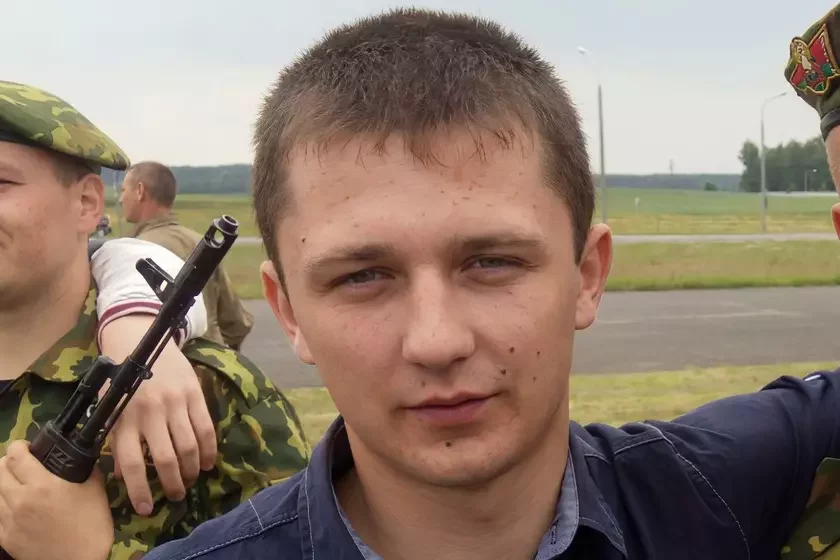
In Belarus, 30-year-old Minsk resident Ivan Voinov has been convicted over alleged ties to the Kalinouski Regiment — a Belarusian volunteer military unit fighting on Ukraine’s side against Russia’s invasion. According to independent media and human rights defenders, he was prosecuted primarily for his intention to join the unit, rather than for any actual participation in combat.
The case has drawn particular attention because Voinov himself was once part of the state’s security apparatus. Between 2014 and 2017, he served in the Zavodski District branch of the Department of Protection under Belarus’ Interior Ministry in Minsk, where he rose from cadet to police sergeant in a detention unit. He was later dismissed for what was officially described as the “systematic failure to fulfill contract conditions.” After leaving the force, he returned to work at the Minsk Tractor Works.
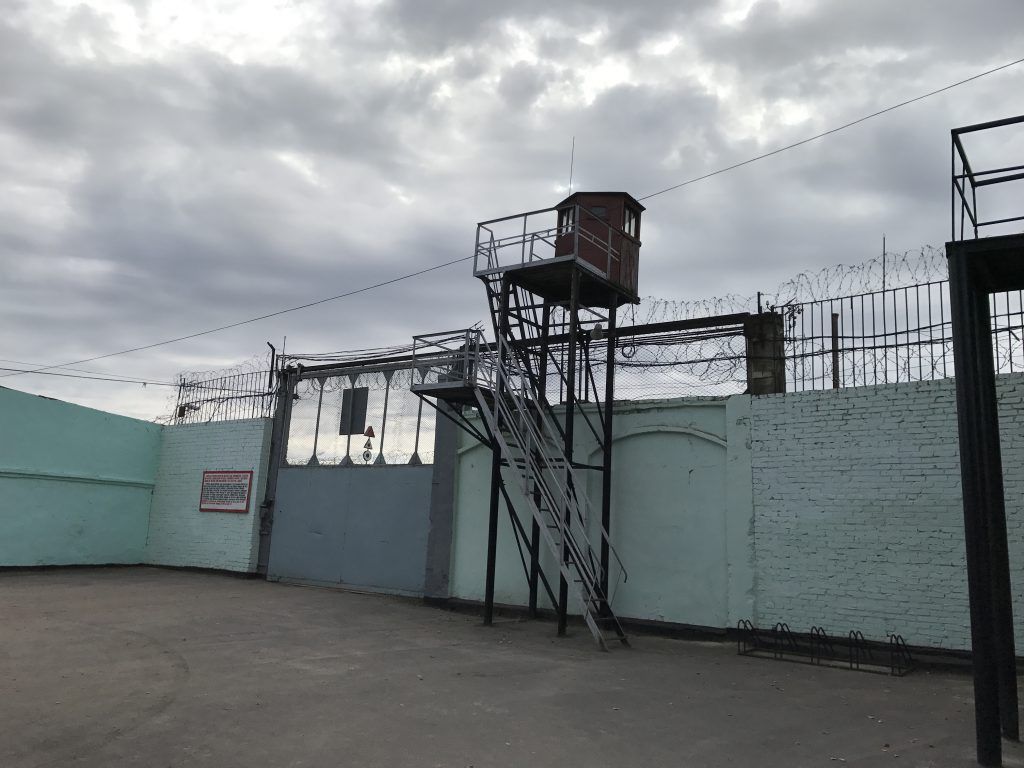
According to Belarusian human rights groups, he was arrested around August 2025. He was first held in the KGB detention center before being transferred to Minsk’s SIZO-1 pre-trial detention facility.
Belarusian authorities brought several serious charges against him: preparation for mercenary activity, preparation to participate in a terrorist organization, and attempted treason. To put this into context for international readers: the regime in Minsk does not classify the Kalinouski Regiment as a regular military formation, but as a terrorist organization. As a result, even an attempt to join the unit can lead to lengthy prison sentences.
The Kalinouski Regiment is made up largely of Belarusian volunteers who oppose the regime of Alexander Lukashenko and support Ukraine in its defense against Russian aggression. The unit is named after Kastus Kalinouski, a historical figure of the Belarusian national liberation movement in the 19th century.
The wording of the indictment suggests that Voinov never actually managed to leave the country or join the regiment in Ukraine. Nevertheless, he faced up to 15 years in prison. The exact length of his sentence remains unknown, but it has been confirmed that he is already being held in a penal colony.
Voinov’s case illustrates a broader trend in Belarus: authorities are increasingly prosecuting individuals simply for expressed intentions or sympathies toward opposition movements and anti-regime structures, even when no concrete actions have taken place. In such a system, even contemplating departure for Ukraine can be treated as terrorism or treason.
 style="height: 190px; object-fit: cover;">
 style="height: 190px; object-fit: cover;">
 style="height: 190px; object-fit: cover;">