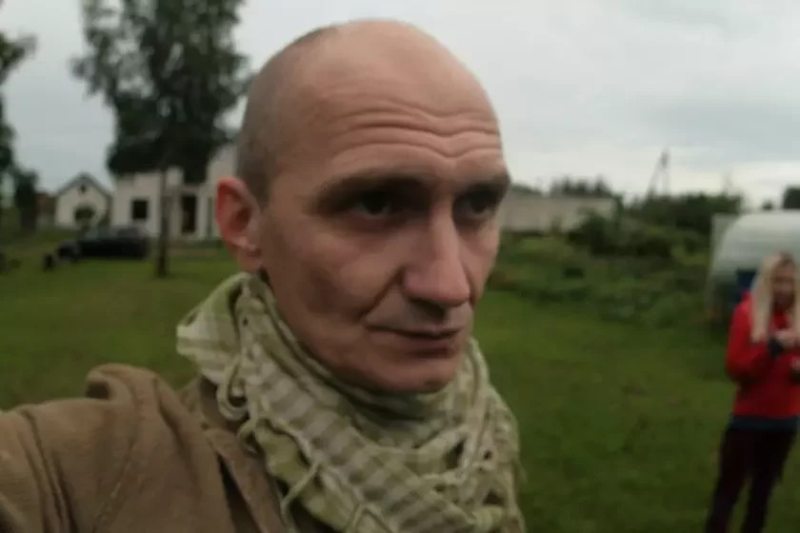
While reviewing the records of Dissidentby – a digital archive documenting political repression in Belarus and preserving the stories of those stripped of their freedom – one case stands out for approaching a grim milestone: 3,000 days in detention.
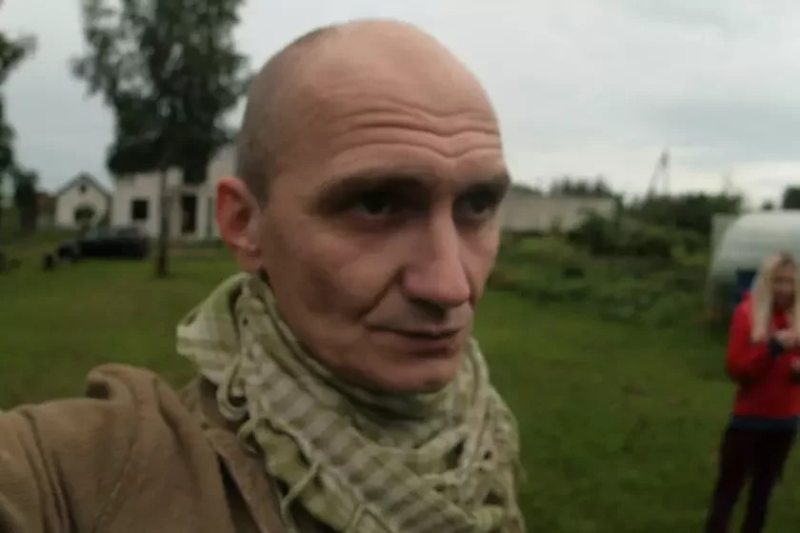
The case concerns Uladzislau Vakulchyk from Minsk, who turned 48 in March 2026. According to available data, he has remained continuously in detention or prison since March 12, 2018. That amounts to more than eight years without freedom – a period marked by repeated court rulings, sentence extensions, and ongoing punitive measures.
His original prison sentence was seven years on charges related to narcotics under Article 328 of the Criminal Code. However, despite having already served that term, he remains behind bars. Belarusian authorities have extended his sentence six times. Today, his total sentence stands at 16 years and 3 months.
Authorities accuse him of two offenses: malicious disobedience to prison administration orders under Article 411, and illegal trafficking of prohibited substances with intent to sell under Part 2 of Article 328. Critics of the regime argue that such legal provisions are frequently used as instruments to prolong imprisonment for politically undesirable individuals.
What makes his case especially significant are the events of 2020, when he took part in protests inside the penal colony. Authorities labeled him one of the organizers of the unrest and placed him in a register of inmates under heightened surveillance. It is precisely because of these nonviolent acts of resistance in the Babruisk prison colony that he remains detained even after serving his original sentence.
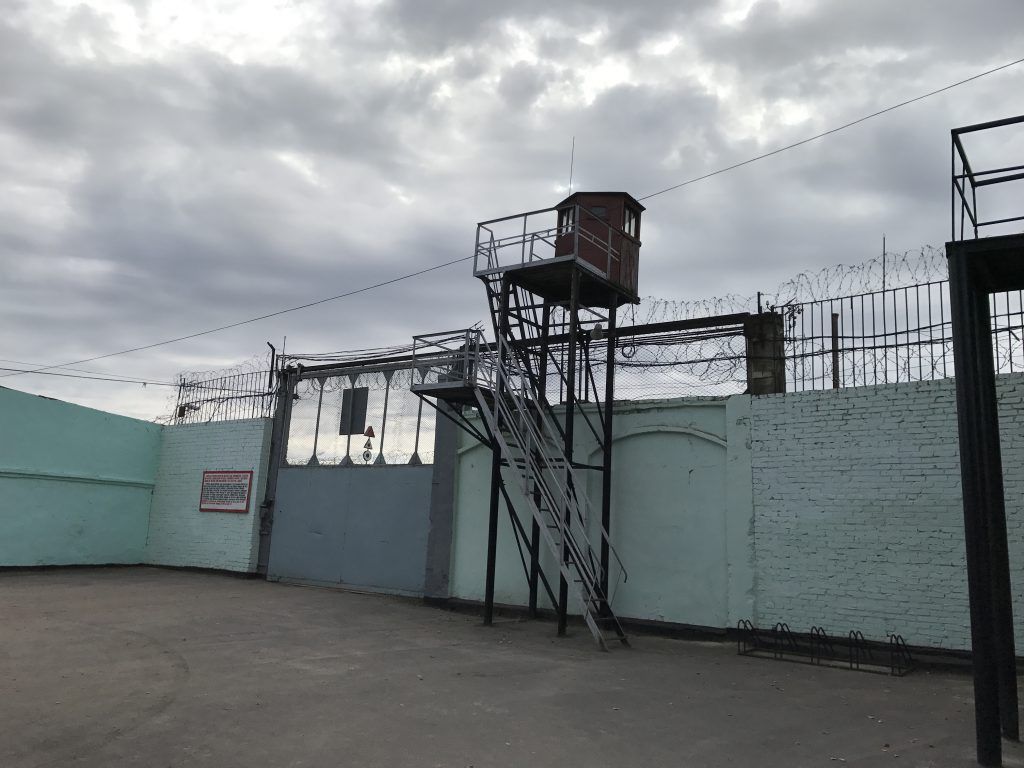
Vakulchyk is serving his punishment in Penal Colony No. 9 in the town of Horki, in eastern Belarus near the Russian border. International human rights organizations and former inmates often describe the facility as “a prison within a prison.”
Such colonies are a legacy of the Soviet gulag system. Instead of individual cells, prisoners are housed in large barracks where between 50 and 100 people live together. Privacy is virtually nonexistent. The daily routine includes forced labor in industrial zones, strict restrictions on visits, food parcels, and spending, as well as military-style discipline over every movement.
In a political context, this system functions not merely as punishment, but as a method of physical and psychological exhaustion. Through formal regulations, prison administrations maintain constant pressure, isolation, and control in an effort to break inmates’ will.
Uladzislau Vakulchyk’s health condition raises further concern. He suffers from a perforated stomach ulcer. In 2020, he was urgently transferred from prison to a hospital, where doctors saved his life. Despite the seriousness of the operation, he was returned to a punishment cell only 25 days later.
His case is one of the clearest examples of how Belarus’s repressive machinery operates even behind prison walls. For many political prisoners, a sentence does not represent a fixed term, but rather an open-ended system of repeated extensions, discipline, and personal destruction.
As Vakulchyk approaches his 3,000th day in captivity, his name remains both a symbol of endurance and a stark reminder of the cost of political dissent in present-day Belarus.