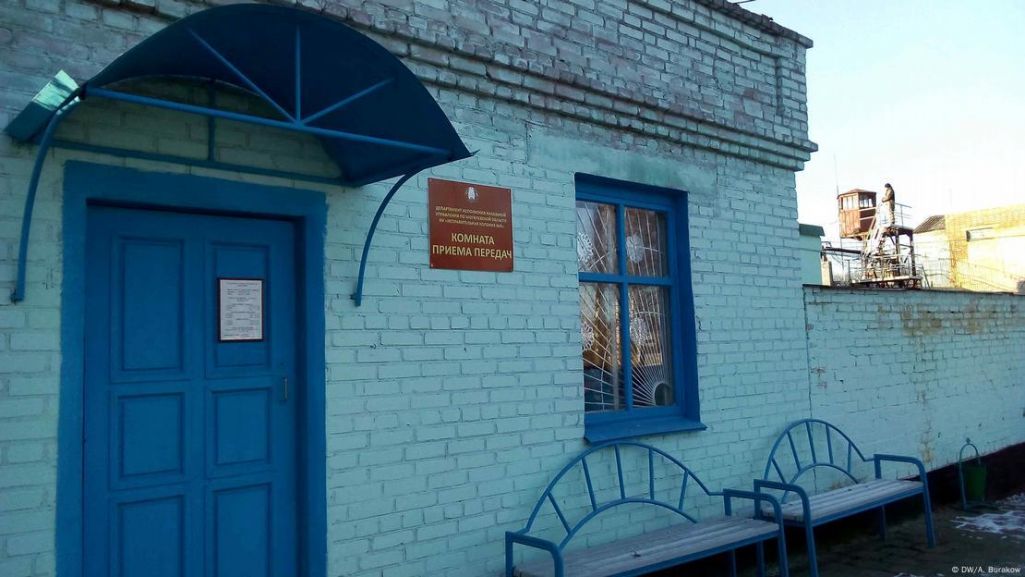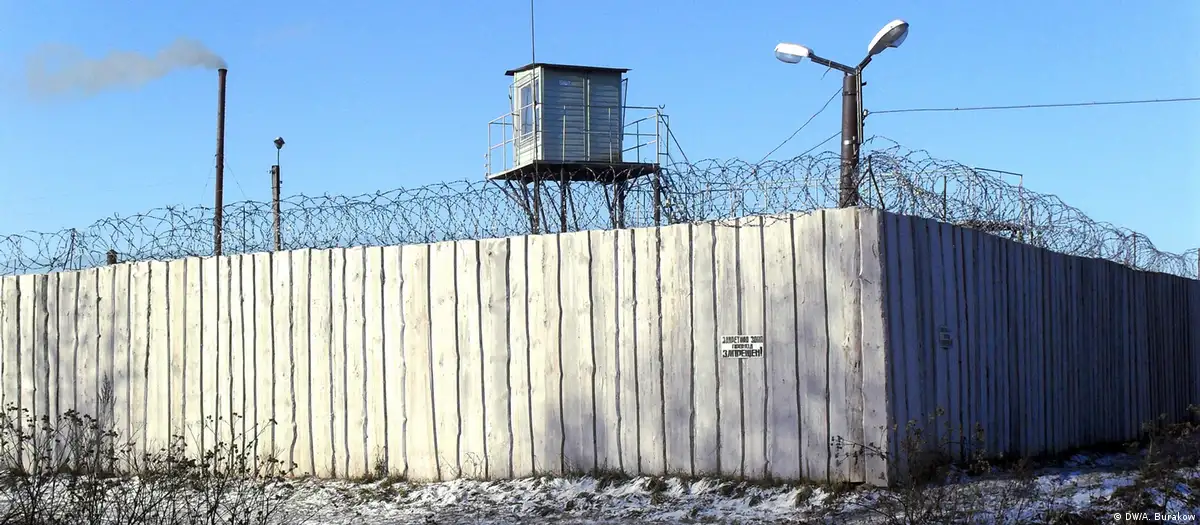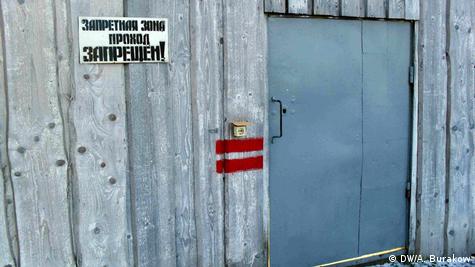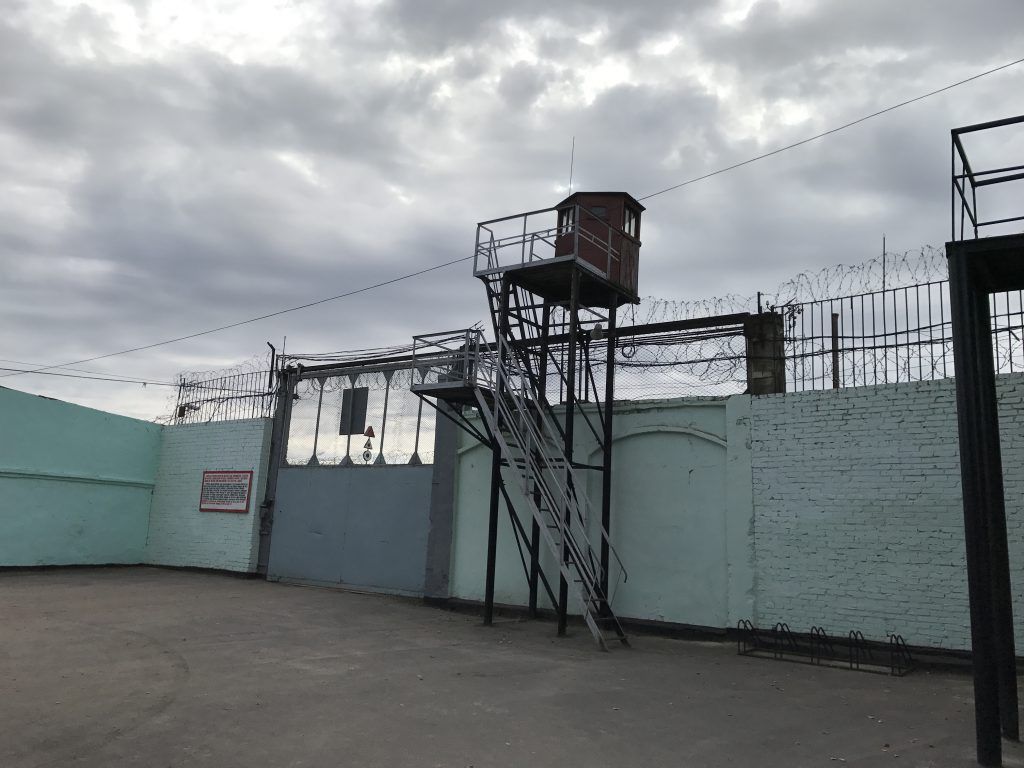
When people talk about political prisoners in Belarus, most think of arrests during protests or long prison sentences for opposition activists. What is far less known is what happens after conviction—when people disappear behind the walls of penal institutions. One of the most notorious of these is Penal Colony No. 9 in Horki (IK-9), widely described by former inmates, lawyers, and human rights groups as a place where punishment goes far beyond deprivation of liberty and becomes a system of systematic psychological and physical destruction.
To understand this institution, it is important to first explain what it is. Belarus inherited much of its penal system from the Soviet era. Instead of traditional prisons, many convicts serve their sentences in so-called penal colonies—large, closed complexes where prisoners live in group units, perform forced labor, and are subject to strict disciplinary regimes. IK-9 in Horki, located in the Mogilev region, is a high-security colony primarily intended for repeat offenders and so-called “problematic inmates.”
In practice, this also means political prisoners—especially those who refuse to submit, sign pardons, or admit guilt—are frequently sent there. Many are additionally charged under Article 411 of the Belarusian Criminal Code for “willful disobedience to the administration of a correctional facility.” This article has become a key tool for extending the sentences of political prisoners.
As a result, IK-9 has gained a reputation as a place where the system “breaks” those it failed to break elsewhere.
A system where law does not exist
Former political prisoners describe the colony as a place where logic, humanity, and law do not exist. Rules are applied arbitrarily and selectively, primarily as a tool of control. Violations are often fabricated—“dust behind a locker,” “incorrect headwear,” or even “wrong behavior”—all of which can lead to immediate punishment.
The most common form of punishment is SHIZO, a disciplinary isolation cell. These are cold, nearly empty rooms where inmates spend days or weeks without basic comfort, often without mattresses, electricity, or adequate food. In some cases, prisoners are released for only a few hours before being sent back again under a new charge.
This is not random—it is a method. Long-term isolation, unpredictable punishment, and constant pressure are designed to create total psychological exhaustion and helplessness.
Hunger as a tool of control
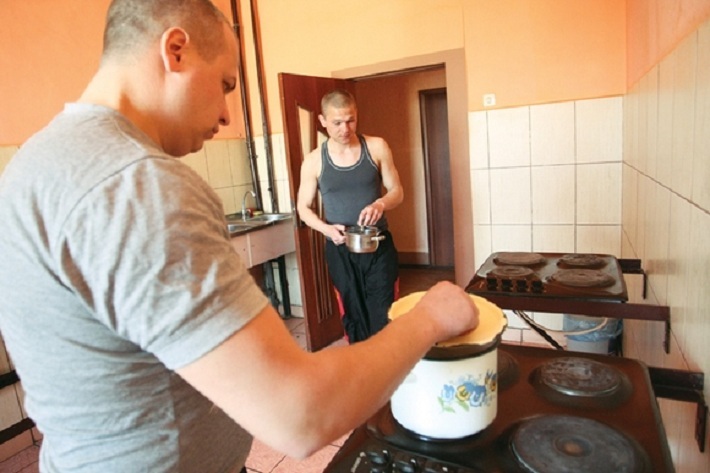
One of the most disturbing aspects described by former inmates is the food system. Prisoners report that meals in IK-9 are deliberately designed to keep people alive, but not healthy.
Breakfast may consist of a small portion of watery porridge, lunch of thin soup with bread, and dinner of a few spoonfuls of potatoes or grains. Meat is rare, and butter or nutritious food is tightly limited.
Former prisoners report losing 10–15 kilograms during their time there. Many describe scenes resembling historical concentration camps—extremely thin bodies, hollow eyes, and chronic exhaustion.
Hunger functions as a form of control: a constantly weakened person is less likely to resist.
Forced labor and military production
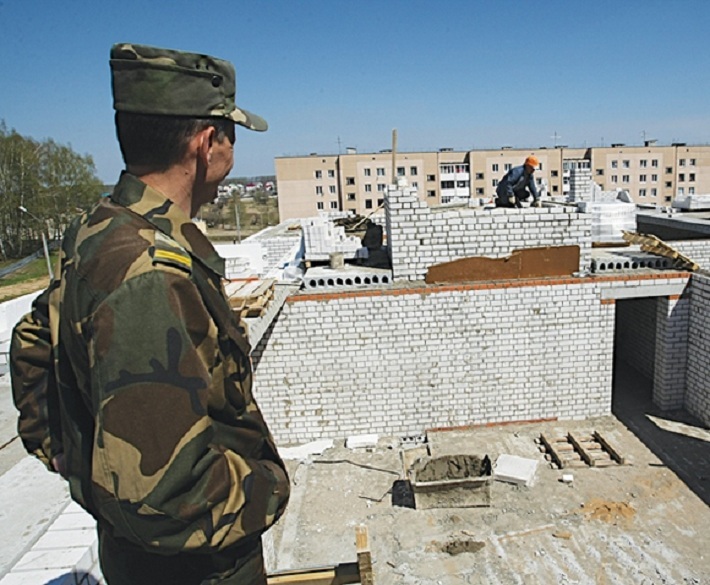
The colony is not only a place of punishment but also a production facility. Inmates work in woodworking, textile production, and other industries. Particularly controversial are claims that prisoners manufacture wooden crates for ammunition and may be involved in producing components for military use linked to Russia’s defense industry.
While these claims are difficult to independently verify in full, multiple testimonies suggest a close link between forced labor in the colony and state or military-related production.
This raises a broader question: to what extent are prisoners in Belarus used as coerced labor for politically or militarily sensitive industries?
Medical care as punishment
In most prison systems, medical care is a serious challenge. In IK-9, former inmates describe it as a form of neglect and control.
Prisoners with serious conditions reportedly do not receive proper examinations, treatment, or medication. Some allegedly suffer from untreated infections, deteriorating eyesight, or chronic diseases that are ignored until they become critical. In extreme cases, amputations occur only after conditions become life-threatening.
Even after severe illness or surgery, inmates may still be sent to disciplinary isolation.
This indicates that medical care is not guided by health needs, but by disciplinary logic.
Political prisoners are not exempt
Political prisoners in IK-9 receive no special protection—regardless of their international recognition.
Among those held there is Nobel Peace Prize laureate Ales Bialiatski. According to former inmates, he is treated the same as others: forced to work in woodworking, subjected to disciplinary penalties, and kept under strict control.
If even a Nobel laureate receives no special treatment, it reflects the nature of the system itself.
Why IK-9 matters
Penal Colony No. 9 is not just one harsh institution—it is a symbol of the broader repression system in Belarus.
The regime of Alexander Lukashenko has for decades used the penal system as an instrument of political control. After the 2020 protests, the number of political prisoners increased significantly, and colonies like IK-9 became central to the machinery of repression.
IK-9 represents one of the most extreme expressions of this system: a place where individuals are physically and psychologically broken.
For outside observers, it may be difficult to grasp why one prison colony matters so much. But these closed institutions reveal the true nature of power not in official speeches or propaganda, but in how it treats those it considers undesirable.
In Horki, that reality becomes visible: hunger, isolation, humiliation, and forced labor used not as correction, but as control.
IK-9 is therefore more than a prison. It is a warning of what happens when institutions operate without accountability—and when human rights become an empty phrase behind closed gates.